Introduction
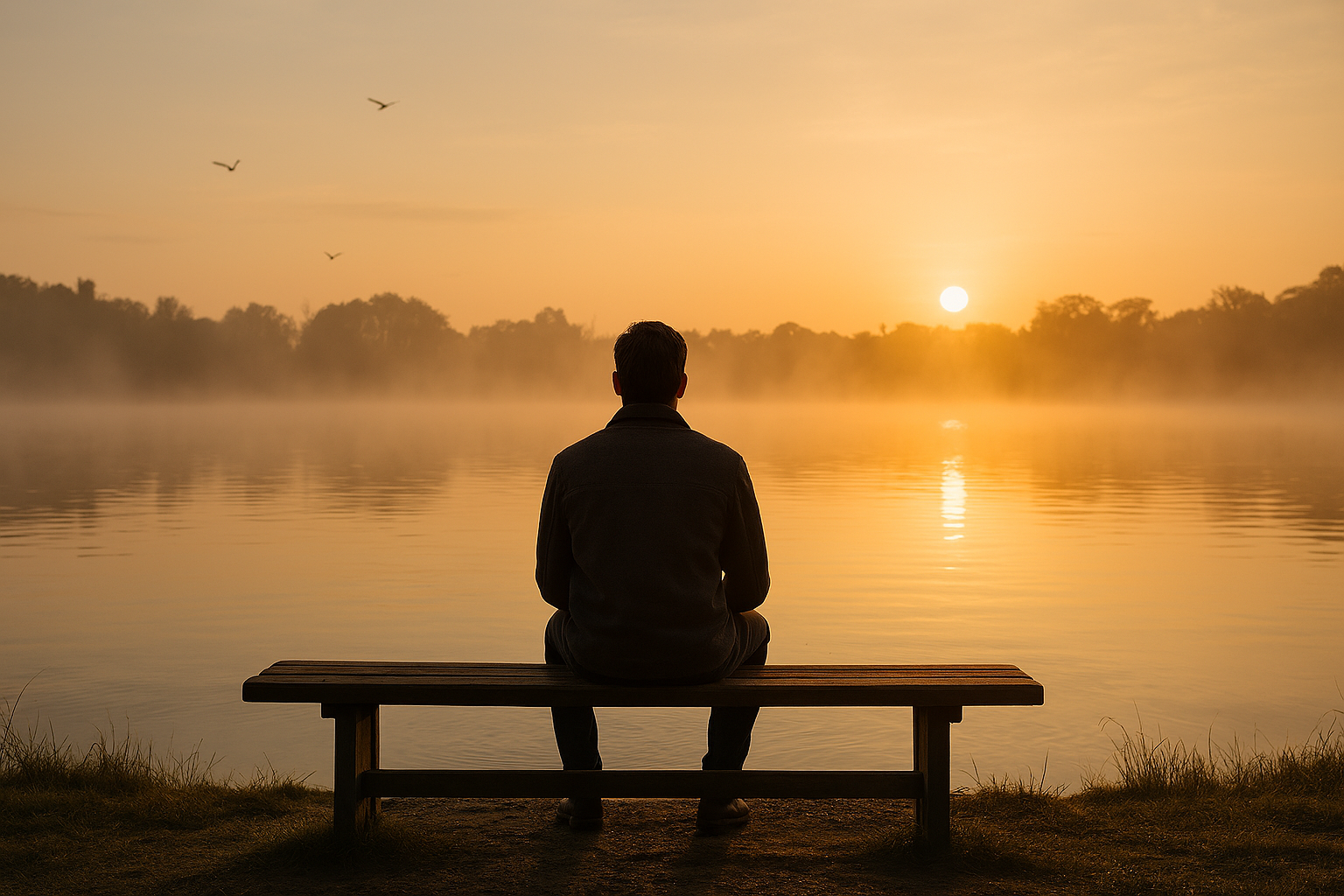
Spiritual discipline is not about restriction—it is about alignment. In a distracted world, disciplined spiritual practices help us return, again and again, to what grounds us. When approached with intention, spiritual discipline becomes less about rigid rules and more about cultivating awareness, devotion, and inner strength that shapes how we live, respond, and endure.
Spiritual discipline is not a single practice but a posture toward life. When approached with intention, reflection, beauty, resilience, and strength, it becomes a sustaining rhythm—one that shapes not only what we do, but who we are becoming.
We’ll explore:
Spiritual discipline as a formative practice that strengthens inner life and outer action. By framing discipline as devotion rather than deprivation, we uncover how consistent spiritual habits foster clarity, resilience, and meaning. Drawing on reflection, beauty, endurance, and strength, this guide presents spiritual discipline as a lived, embodied path rather than an abstract ideal.
You’ll learn:
- Spiritual discipline as intentional training, not punishment
- Reflection as a grounding daily practice
- Beauty as a form of disciplined devotion
- Building endurance through spiritual resilience
- Strength, courage, and the mindset of warrior spirituality
Overview
- Spiritual Discipline as Intentional Training
- Reflection as a Daily Anchor
- Beauty as Disciplined Devotion
- Endurance Through Spiritual Resilience
- Strength and the Way of Warrior Spirituality
Spiritual Discipline as Intentional Training
At its core, spiritual discipline is not about self‑denial for its own sake; it is about intentional training. Just as the body is shaped by repeated movement, the inner life is shaped by repeated attention. What we return to daily—our thoughts, prayers, habits, and responses—quietly forms our instincts over time. Spiritual discipline names this reality and invites us to engage it consciously rather than accidentally.
When discipline is misunderstood as punishment, it breeds resistance or guilt. When it is understood as training, it creates freedom. Training assumes growth, patience, and imperfection. It acknowledges that the soul, like a muscle, strengthens gradually through consistent use. In this light, spiritual discipline becomes an act of hope: the belief that who we are becoming is shaped by what we practice, even when the progress feels invisible.
Intentional training also reframes discipline as alignment rather than control. We are not forcing ourselves into holiness; we are arranging our lives so that what matters most has space to take root. This may look like setting aside time for silence, choosing reflective reading over constant input, or returning to grounding practices when life becomes chaotic. Over time, these small, disciplined choices recalibrate desire itself—what once required effort begins to feel natural.
This is why spiritual discipline is inseparable from reflection. Without reflection, discipline can become mechanical; without discipline, reflection remains abstract. Together, they form a rhythm of action and awareness that sustains spiritual growth. For readers who want to deepen this foundation, the natural next step is #—an exploration of how disciplined reflection grounds belief in daily lived experience and keeps training connected to meaning rather than mere routine.
In the end, spiritual discipline as intentional training is an act of stewardship. It is the choice to care for the inner life with the same seriousness we give to external goals, trusting that what is practiced patiently will eventually become who we are.
Reflection as a Daily Anchor
Reflection is the practice that keeps spiritual discipline from becoming hollow repetition. Without reflection, habits may continue, but meaning thins. With reflection, even the simplest practice becomes a site of insight. Disciplined reflection acts as an anchor—it holds us steady amid movement, helping us interpret our experiences rather than be swept along by them.
At its simplest, reflection is the habit of pausing. It is the deliberate choice to look back on a day, a moment, or a reaction and ask not only what happened, but what was forming in me as it happened. This kind of attention does not arise spontaneously; it must be trained. That is why reflection itself is a spiritual discipline—one that resists hurry and rewards honesty.
Over time, daily reflection builds continuity between belief and lived experience. It allows patterns to surface: recurring fears, persistent gratitudes, quiet growth that might otherwise go unnoticed. In this way, reflection turns time into a teacher. Rather than letting days blur together, spiritual discipline gathers them into a coherent inner narrative shaped by awareness.
Reflection also protects discipline from rigidity. When practices are revisited reflectively, they remain responsive rather than static. A practice that once sustained may need adjustment; a neglected habit may quietly call for renewal. Reflection gives spiritual discipline flexibility without loss of commitment—it helps us stay faithful without becoming fixed.
Perhaps most importantly, reflection grounds the inner life in reality. It prevents spiritual discipline from floating above the world of work, relationships, and struggle. By returning again and again to lived experience, reflection ensures that discipline remains embodied, honest, and humane.
For readers ready to move from reflection into perception, the next natural step is #—an exploration of how disciplined attention to beauty deepens devotion and trains the soul to recognize the sacred woven into everyday life.
Beauty as Disciplined Devotion
Beauty is often treated as a luxury—something enjoyed when time allows, not something practiced with intention. Yet within spiritual discipline, beauty becomes a form of devotion. To attend to beauty regularly is to train perception itself. It teaches the soul how to see, linger, and receive rather than rush past what quietly sustains life.
Disciplined attention to beauty is not passive admiration; it is an active posture. It requires slowing down long enough to notice color, form, rhythm, and harmony—whether in nature, art, music, ritual, or a carefully tended space. This attentiveness does not happen automatically in a culture of speed. Like any spiritual discipline, it must be practiced deliberately, again and again, until reverence becomes instinct.
When beauty is approached devotionally, it reshapes desire. Instead of chasing constant stimulation, the disciplined eye learns to recognize depth over novelty. Beauty begins to function as a teacher, revealing proportion, patience, and order. It reminds us that meaning is often communicated indirectly, through presence rather than explanation. In this way, beauty trains humility: we are not masters of what we behold, but participants invited into something larger.
This practice also restores balance to the inner life. Spiritual discipline can sometimes tilt toward effort, endurance, and restraint. Beauty reintroduces delight—not as indulgence, but as nourishment. Attending to beauty replenishes the will and softens the heart, making discipline sustainable rather than severe. It affirms that devotion is not only proven through perseverance, but also through love.
Importantly, disciplined devotion to beauty anchors spirituality in the embodied world. It resists abstraction. Beauty is encountered through the senses: sight, sound, touch, rhythm. By returning us to the physical and particular, it keeps spiritual discipline grounded in lived experience rather than detached ideals.
Yet beauty alone is not enough. The same sensitivity that allows us to perceive beauty also makes us vulnerable to loss, disruption, and suffering. For readers ready to explore how disciplined devotion carries us through difficulty, the next step is Spiritual resilience—an examination of how spiritual discipline builds endurance and steadiness when beauty feels distant and life presses hard.
In this way, beauty becomes both a gift and a training ground: teaching the soul how to see clearly in times of peace, so it may remain rooted in times of strain.
Endurance Through Spiritual Resilience
There comes a point when spiritual discipline is no longer sustained by enthusiasm or clarity, but by resilience. Spiritual resilience is the capacity to remain rooted when circumstances are unstable—when meaning feels thin, energy is low, or outcomes are uncertain. It is not dramatic endurance; it is quiet continuation. And it is built long before it is needed.
Spiritual resilience emerges from disciplined repetition. Practices that seem modest in calm seasons—regular reflection, prayer, stillness, attentiveness—become structural supports in times of strain. They hold the inner life together when motivation falters. This is why spiritual discipline matters most when it feels least rewarding: it creates continuity when life becomes disjointed.
Unlike emotional toughness, spiritual resilience does not harden the self. It steadies it. It allows us to experience difficulty without being consumed by it, to acknowledge fatigue without surrendering purpose. Through discipline, resilience becomes less about pushing through and more about staying present—returning, again and again, to what anchors us when everything else shifts.
Importantly, spiritual resilience reframes failure. Disciplined resilience understands that disruption does not negate growth. Missed practices, seasons of doubt, and moments of weakness are not evidence of collapse, but part of formation itself. Resilience teaches us how to resume rather than restart, how to re‑enter the path without shame. In this way, spiritual discipline becomes compassionate as well as strong.
Resilience also protects spiritual life from dependency on external conditions. When faith or meaning relies solely on ease, affirmation, or beauty, it remains fragile. Disciplined resilience deepens spiritual discipline into something durable—capable of holding grief, ambiguity, and endurance without losing coherence. It teaches the soul how to remain faithful to what matters even when clarity is delayed.
Yet resilience alone is not the final expression of discipline. Over time, endurance gives way to readiness—a strength that is not merely reactive, but purposeful and alert. For readers ready to explore how resilience matures into courage and moral resolve, the next step is Warrior spirituality—an examination of how spiritual discipline shapes inner strength, vigilance, and the capacity to stand firm with intention rather than force.
In this way, spiritual resilience is not an endpoint, but a bridge: carrying the disciplined soul from survival toward grounded, courageous presence in the world.
Strength and the Way of Warrior Spirituality
At its fullest expression, spiritual discipline forms not just endurance, but strength with direction. Warrior spirituality names this mature stage of formation. It is not about aggression or dominance, but about readiness—an inner posture shaped by vigilance, courage, and moral clarity. The disciplined soul becomes capable not only of withstanding pressure, but of standing for something with intention.
Warrior spirituality reframes strength as responsibility. It recognizes that inner power, once formed, must be stewarded wisely. Through spiritual discipline, the will is trained to respond rather than react, to act from conviction rather than impulse. This kind of strength is quiet, grounded, and discerning. It knows when to advance, when to hold, and when restraint itself is the highest form of action.
Unlike reactive toughness, warrior spirituality is rooted in presence. It requires attentiveness to what threatens meaning, dignity, or integrity—both within and beyond the self. Disciplined practices sharpen awareness so that courage is informed, not reckless. In this way, Warrior spirituality becomes a way of guarding what is sacred: values, commitments, relationships, and inner coherence.
Importantly, this strength is not opposed to compassion. True warrior spirituality is disciplined enough to hold tension—to be firm without becoming rigid, resolute without becoming cruel. It draws from earlier practices of reflection, beauty, and resilience, integrating them into a strength that remains humane. The warrior does not abandon tenderness; discipline ensures that power and humility grow together.
Spiritual discipline also teaches that strength is sustained through return. Even the most vigilant inner life requires renewal. Practices must be revisited, motives examined, and attention realigned. Warrior spirituality is not a final arrival, but a posture that must be continually re‑anchored in meaning.
For readers seeking to complete the circle—returning strength back to grounding and meaning—the next step is Faith‑anchored reflection. There, disciplined strength is brought back into reflection, ensuring that courage remains connected to purpose and that the warrior’s stance is continually shaped by wisdom rather than ego.
In this way, spiritual discipline culminates not in hardness, but in integrated strength: a life trained to stand firm, see clearly, and act with intention rooted in the deepest values of the soul.
Common Obstacles to Spiritual Discipline—and How to Overcome Them
Even when spiritual discipline is deeply desired, it often falters in practice. The obstacles are rarely dramatic; they are ordinary, quiet, and persistent. Understanding these challenges—and responding to them intentionally—is itself part of disciplined formation.
Obstacle 1: Inconsistency and the Myth of “Doing It Right”
One of the most common obstacles is inconsistency. Missed days quickly turn into abandoned practices, fueled by the belief that discipline must be uninterrupted to be meaningful. A single lapse is interpreted as failure rather than fluctuation.
Solution: Reframe discipline as return, not perfection. Spiritual discipline is sustained not by unbroken streaks, but by the willingness to resume. A person who reflects briefly during a lunch break after a chaotic morning is still practicing discipline—perhaps more authentically than someone following a rigid schedule without attention.
Example: A parent intending to journal every morning finds most mornings overtaken by children and work. Instead of quitting, they shift to a five‑minute reflection before bed. Over time, the habit stabilizes—not because circumstances improved, but because expectations aligned with reality.
Daily application: Choose practices that can survive disruption. Ask, What version of this discipline can I still do on my hardest days?
Obstacle 2: Emotional Resistance and Inner Fatigue
Another barrier is emotional resistance. Some days, reflection feels heavy. Silence feels uncomfortable. Discipline exposes inner noise, unresolved tension, or doubt—leading many to avoid practice altogether.
Solution: Normalize resistance as information, not disqualification. Emotional friction often signals that a discipline is working, not failing. Spiritual discipline does not eliminate discomfort; it teaches us how to stay present with it.
Example: A reader committed to reflective prayer notices persistent restlessness and irritation. Instead of abandoning the practice, they begin naming the resistance itself as part of reflection. Over time, awareness replaces avoidance, and resistance loses its power to derail the discipline.
This is where Spiritual resilience becomes essential—helping practitioners remain steady even when discipline feels unrewarding or difficult.
Daily application: When resistance appears, reduce intensity but maintain contact. Stay in the practice briefly rather than abandoning it entirely.
Obstacle 3: Over‑Intellectualizing the Practice
Some approach spiritual discipline primarily through analysis—reading, thinking, and planning—while avoiding embodiment. Discipline remains abstract rather than lived.
Solution: Anchor discipline in the body and senses. Reflection, beauty, and resilience all require lived attention. Spiritual discipline deepens when it moves from concept to practice.
Example: Someone fascinated by spiritual writing realizes they rarely pause in silence or attend to beauty. They begin ending each reading session by stepping outside for three minutes of attentive observation. The discipline becomes experiential rather than theoretical.
Daily application: Pair thinking with doing. For every insight gained, attach a small, concrete action.
Obstacle 4: Expecting Immediate Transformation
When visible change does not occur quickly, discouragement sets in. Spiritual discipline is abandoned not because it is ineffective, but because its effects are subtle and cumulative.
Solution: Learn to measure progress differently. Discipline reshapes instinct before outcome. Often the first sign of growth is not peace, but awareness; not strength, but honesty.
Anecdote: A professional practicing disciplined reflection notices no immediate calm—but does notice quicker recognition of unhealthy reactions at work. Months later, responses shift naturally. Discipline worked quietly before it worked visibly.
Daily application: Track awareness, not outcomes. Ask weekly: What am I noticing now that I didn’t before?
Obstacle 5: Treating Discipline as Isolated from Life
When spiritual discipline is confined to a narrow time slot, it struggles to influence daily decisions.
Solution: Integrate discipline into ordinary rhythms. Reflection during commutes, beauty during routine walks, resilience in difficult conversations—discipline becomes durable when it inhabits real life.
This integration ultimately points back to Faith‑anchored reflection, where belief and daily experience remain in constant dialogue.
Daily application: Attach disciplines to existing habits—meals, transitions, or routines—so practice becomes woven into life rather than added onto it.
Closing Insight
Obstacles are not interruptions to spiritual discipline; they are part of its terrain. Each challenge reveals where formation is still unfolding. When met with patience and intention, resistance itself becomes a training ground—shaping a spiritual discipline that is realistic, resilient, and deeply human.
Conclusion: A Life Shaped by Intentional Return
Spiritual discipline is not a finish line—it is a way of staying oriented. Across reflection, beauty, resilience, and strength, a single pattern emerges: growth happens through return. We return to silence when noise dominates, to beauty when life hardens, to resilience when meaning thins, and to strength when conviction is required. Discipline names this rhythm and gives it form.
What makes spiritual discipline transformative is not intensity, but fidelity. Small, repeated acts of attention quietly reshape instinct. Over time, what once required effort becomes posture. Reflection clarifies purpose. Beauty restores devotion. Resilience steadies the soul. Strength matures into readiness. Together, these practices form an inner life capable of meeting the world with clarity rather than reactivity.
Crucially, spiritual discipline remains human. It allows for disruption, doubt, and uneven progress. It does not demand perfection; it invites participation. Each return—after distraction, resistance, or fatigue—is itself an act of formation. In this sense, discipline is not self‑mastery, but self‑stewardship: caring for the inner life so it can bear the weight of real life.
For readers seeking to keep this posture alive over time, the path circles back to Faith‑anchored reflection—where belief and experience continue their dialogue, ensuring that discipline remains grounded in meaning rather than routine. From there, the cycle begins again, not as repetition, but as deepening.
Spiritual discipline, practiced patiently, does not make life easier. It makes life truer. And in that truth, it offers something enduring: a way to stand, see, and act with intention—day after ordinary day.
Call to Action: Begin with One Intentional Return
Spiritual discipline does not begin with a complete overhaul of life. It begins with a single, intentional return. One pause. One moment of attention. One choice to practice rather than drift. The power of discipline lies not in scale, but in consistency—and the invitation now is simple: begin where you are.
Choose one practice that resonates most deeply. It may be reflection, a renewed attentiveness to beauty, a commitment to resilience in a difficult season, or the quiet resolve of disciplined strength. Anchor it to the rhythm of your real life, not an idealized version of it. Let the practice be small enough to sustain, yet meaningful enough to matter.
As you begin, resist the urge to measure success by feeling or outcome. Instead, notice return. Each time you come back—after distraction, resistance, or fatigue—you are practicing spiritual discipline in its truest form. Formation happens not because life becomes easier, but because attention becomes steadier.
If you are ready to ground this commitment more deeply, let Faith‑anchored reflection be your next step. There, belief and experience meet in a way that keeps discipline rooted in meaning rather than routine, and strength aligned with purpose rather than habit.
Start today with one deliberate act of attention. Let it shape tomorrow. And allow time—patient, quiet time—to do what discipline always does best: form a life that can stand, see, and act with intention.
We invite you to share your reflections in the comments—which spiritual discipline feels most needed in your life right now, and what would a small, sustainable practice look like this week? Return soon as we continue exploring practices that shape a grounded, intentional life.